Voices of the Void for macOS
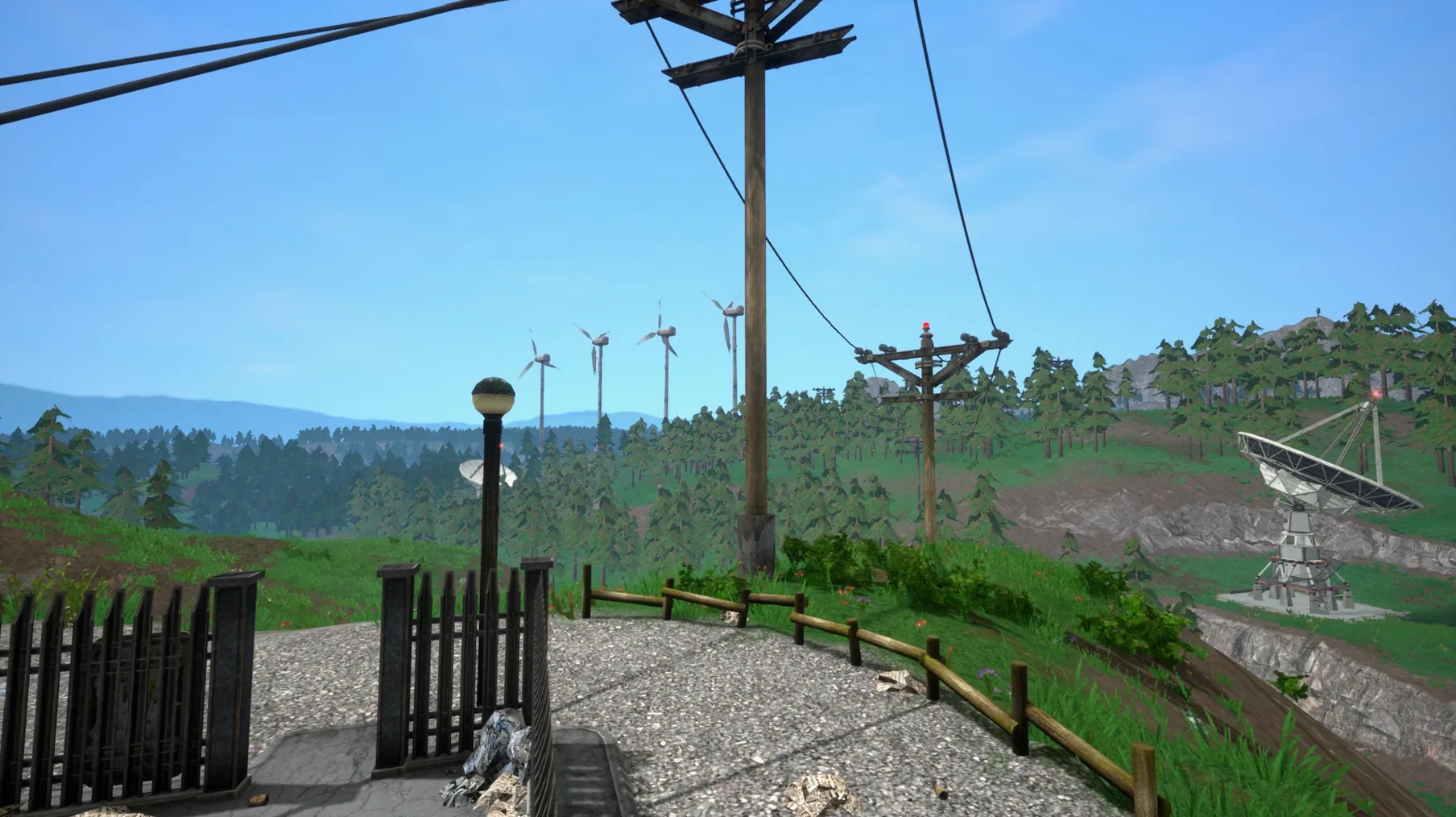
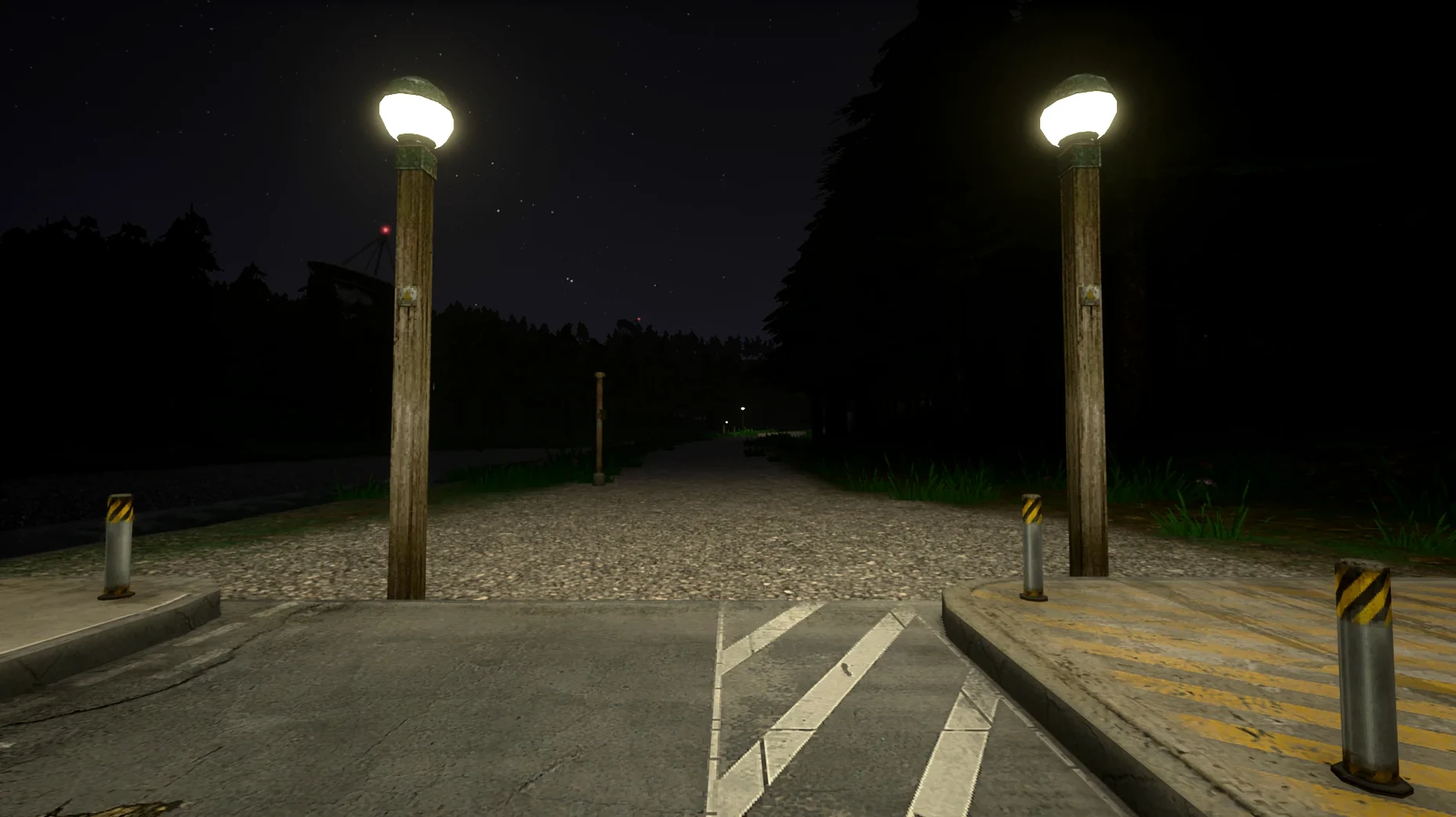

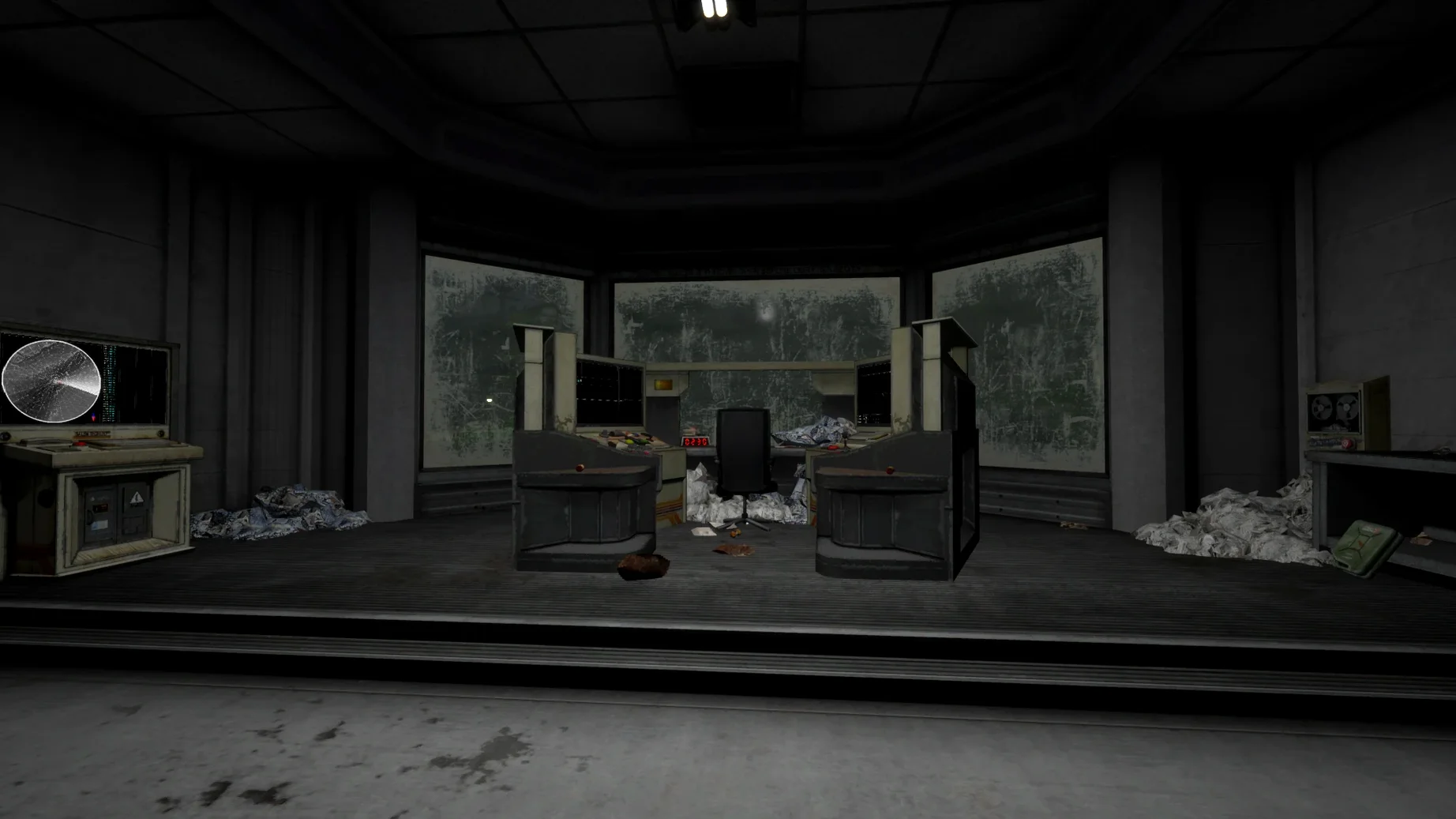
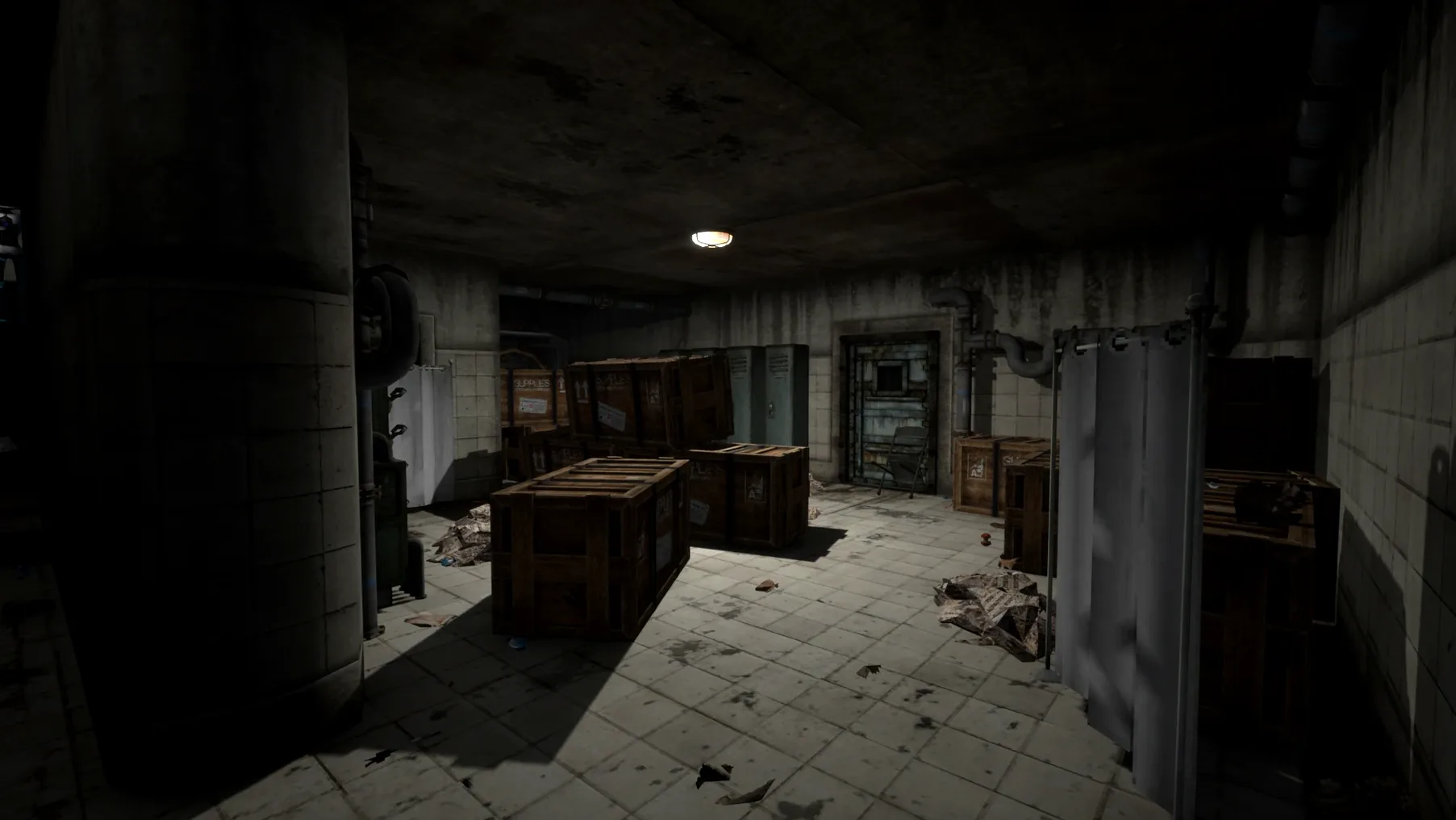
Description
If you've ever squinted at a spectrogram in Audacity, the core loop here will feel oddly familiar — except now the static might answer back.
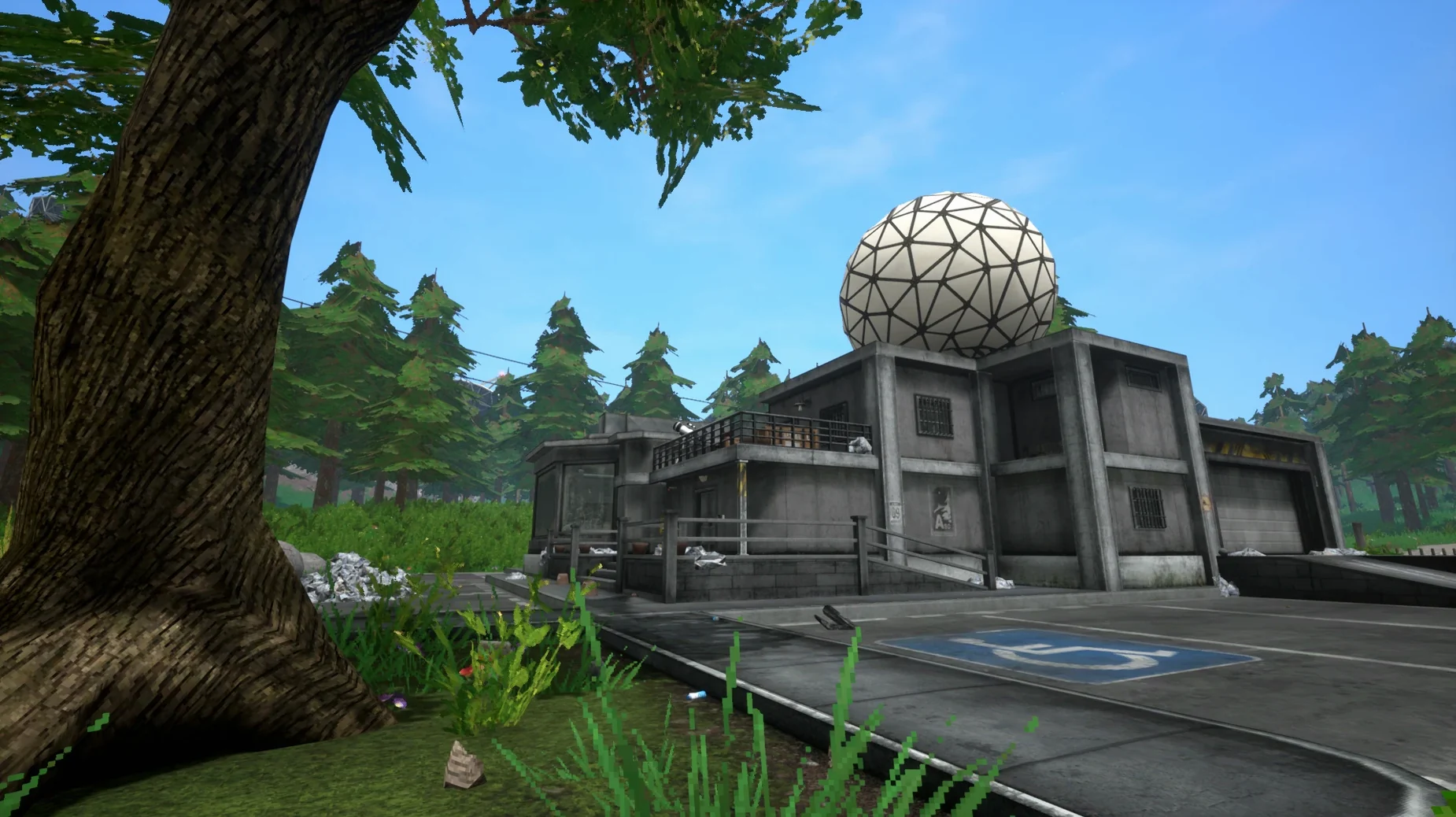
Signal analyst horror — you service antennas, sweep frequencies and scrub noise from broadcast data. The game treats signal decoding as a craft, not a minigame.
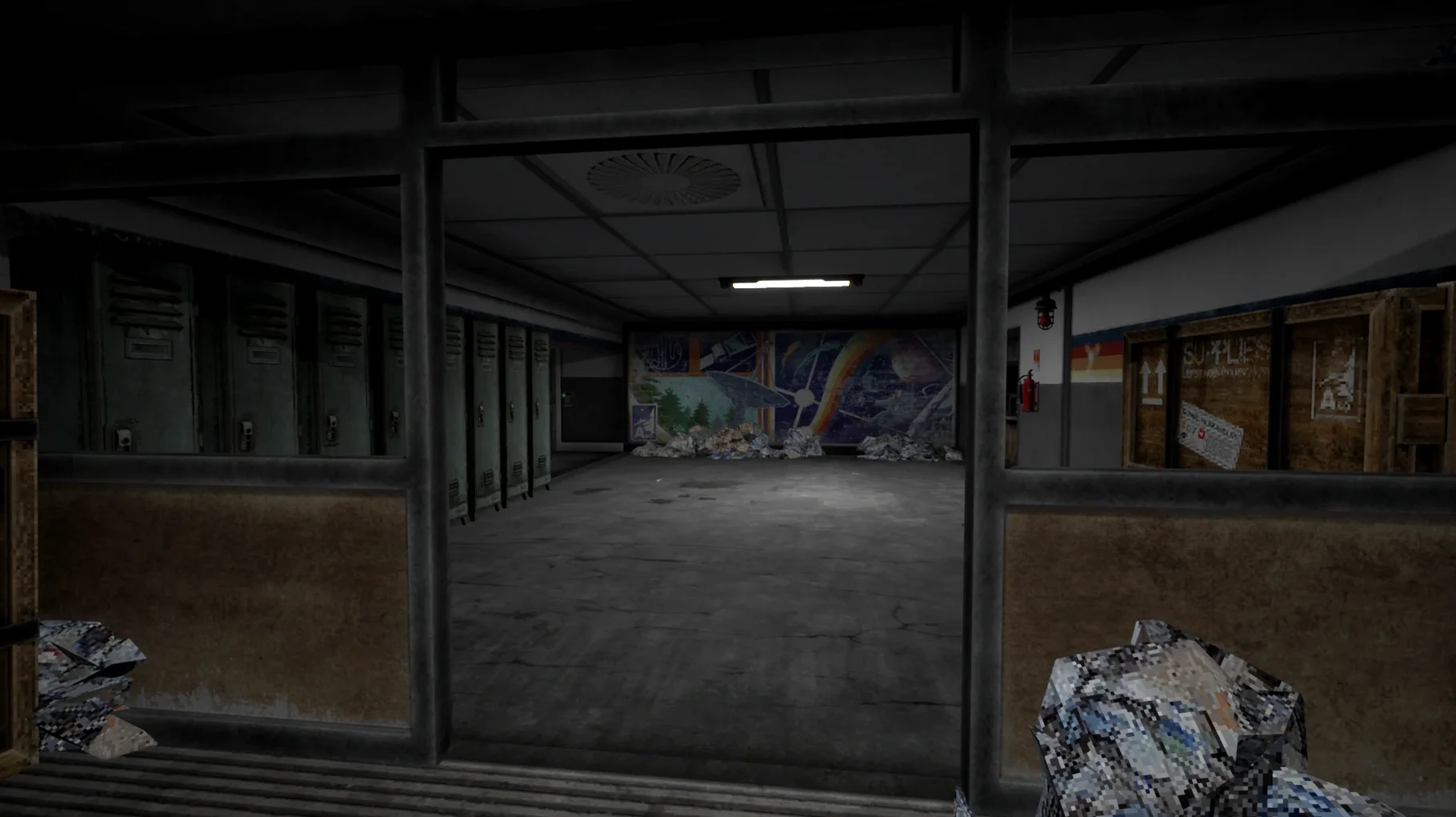
Remote station management — you are alone with the equipment. Repairs, power and the daily log all sit on your shoulders. Neglect them and the station stops being a safe place.
Asymmetric tension — events can develop differently across sessions. Two players might meet the same anomaly, but one will find it on day three and the other on day forty-seven. The game remembers what you do and often refuses to explain itself.
It is an early-access title, so edges remain rough. The Mac build is packaged inside Wineskin, which means a one-second delay on first launch and the occasional path quirk (save files live deep inside the app bundle).
Power cuts punish neglect
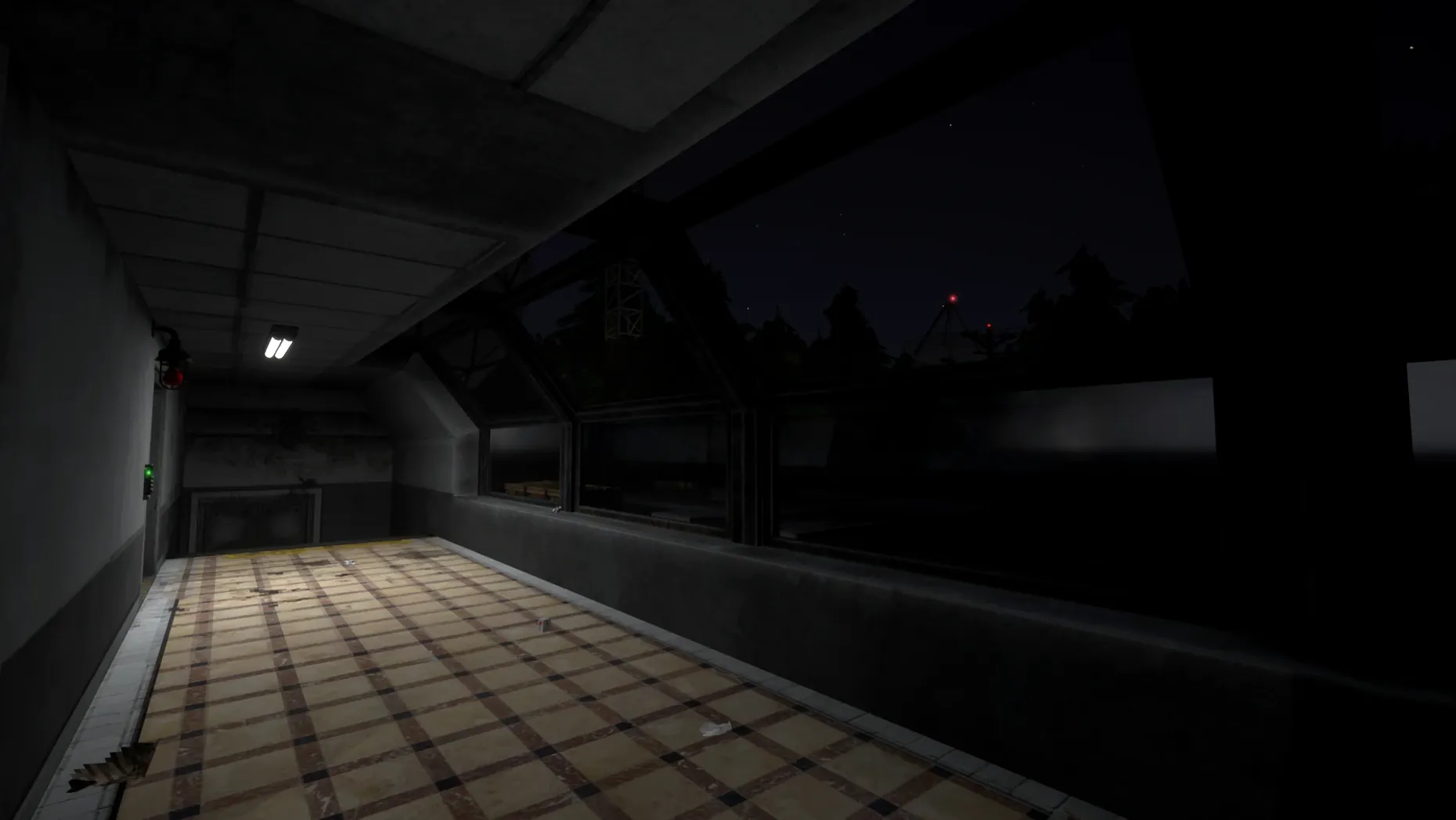
Most early frustration comes from treating this like a walking simulator with jump scares. It isn't. The station has systems that degrade if you ignore them, and the first power cut that catches you in the dark is entirely your own fault.
Skipping the antenna calibration. New players often point a dish at the strongest signal and call it done. A fuzzy lock gets you partial data — or a corrupted file that wastes twenty minutes of processing. Fine-tune the azimuth and elevation until the waveform sharpens.
Ignoring sound cues. The game uses audio to telegraph almost everything. A relay clicking off in another room, a pitch shift in the background hum, a signal that repeats three times then stops. Headphones are not optional. Playing through laptop speakers means you miss half the warnings.
Over-processing signals. The decoder tools let you stack filters endlessly. Beginners tend to scrub every frequency band until the data looks clean — then wonder why the output is gibberish. Sometimes noise is structure. Light touches first.
Neglecting the log. The daily log isn't flavour text. Entries cross-reference with events later, and the game offers no recap screen if you forget what happened four cycles ago. Write things down.
Less hardware, more horror than Signal Simulator
Signal Simulator shares the antenna-operator premise but leans harder into hardware simulation — you spend more time managing dish arrays and power budgets than interpreting what arrives. Voices of the Void keeps the same loneliness but pushes the horror further forward. Where Signal Simulator gives you a checklist, VotV gives you a slow-building dread that the checklist won't save you from.
Iron Lung is tighter and shorter. It locks you in a cramped submersible and never lets up, while VotV stretches the tension across days of routine. Both understand that mechanical tasks — turning knobs, waiting for readings — become terrifying when you feel watched. Iron Lung sprints; VotV walks, and the walk is worse.
Phasmophobia offers multiplayer safety, ghost-hunting gadgets and clear objectives. Playing it with friends defuses most fear. Voices of the Void gives you nobody to blame, no teammate to hide behind, and no guarantee that what you recorded was even a ghost. The isolation is the point.
Requirements
- macOS 11.0 or later
- Apple Silicon Mac
Comments 0
Sign in or create an account to leave a comment.
No comments yet…
If you’ve installed it, say how it went. Mention your Mac and macOS version — it helps the next person more than you’d think.